



Surging Oil Prices Driven by Geopolitical Tensions and Supply Concerns
What’s happening with WTI and Brent crude oil today? Why oil prices are surging $1 every hour—and will Brent cross $110 next?
 The Economic Times
Image: The Economic Times
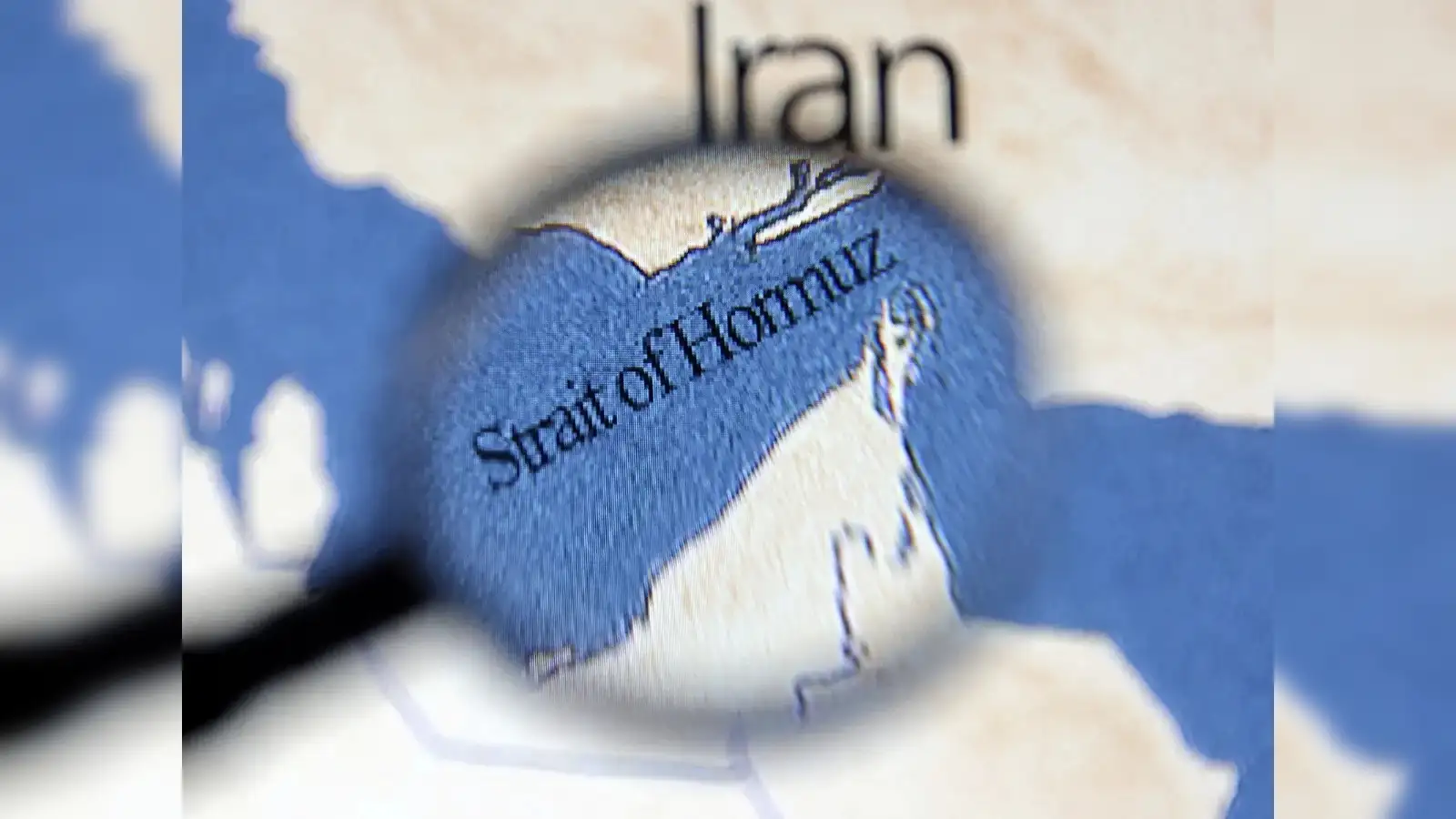
Oil prices are rapidly increasing, nearing $100 per barrel, due to escalating geopolitical tensions between the United States and Iran, particularly concerning the fragile ceasefire and restrictions in the Strait of Hormuz. This volatility is impacting global markets and raising fears of an energy crisis.
- 01Oil prices surged nearly $1 per hour, approaching $100 per barrel.
- 02Geopolitical tensions, especially between the US and Iran, are driving market volatility.
- 03Restrictions in the Strait of Hormuz have significantly limited oil supply.
- 04Rising oil prices are affecting broader financial markets and inflationary pressures.
- 05Future oil prices depend on the stability of the US-Iran ceasefire negotiations.
Advertisement
In-Article Ad
Oil prices have surged dramatically, climbing nearly $1 per hour and approaching $100 per barrel, as geopolitical tensions between the United States and Iran escalate. The recent ceasefire announcement initially calmed markets, but renewed doubts have since driven prices back toward triple digits. The situation is exacerbated by restrictions in the Strait of Hormuz, which limits oil transit to just 15 vessels per day, representing only about 10% of normal traffic. This critical waterway accounts for nearly one-fifth of global oil supply, making any disruption impactful.
Traders are reacting to the uncertainty surrounding the ceasefire, pricing in a significant risk premium that could lead to further price spikes, especially if negotiations fail. The correlation between oil prices and the US dollar has also intensified, reflecting the influence of energy markets on global financial conditions. Rising oil prices threaten corporate margins and consumer spending, acting as a tax on the global economy and potentially leading to increased inflation. As markets remain in a wait-and-watch mode, the future of oil prices hinges on geopolitical developments and the stability of the US-Iran negotiations.
Advertisement
In-Article Ad
The surge in oil prices is likely to increase transportation and manufacturing costs globally, leading to higher consumer prices and inflation. Emerging economies may face severe impacts due to their reliance on oil imports.
Advertisement
In-Article Ad
Reader Poll
How concerned are you about rising oil prices affecting the economy?
Connecting to poll...
Read the original article
Visit the source for the complete story.