

)
Haryana Authority Awards ₹4 Crore to Homebuyer After Chintels Paradiso Collapse Using Google AI Insights
Gurgaon Chintels Paradiso Collapse: Homebuyer Awarded Rs 4 Crore Based On Google AI Calculation
 News 18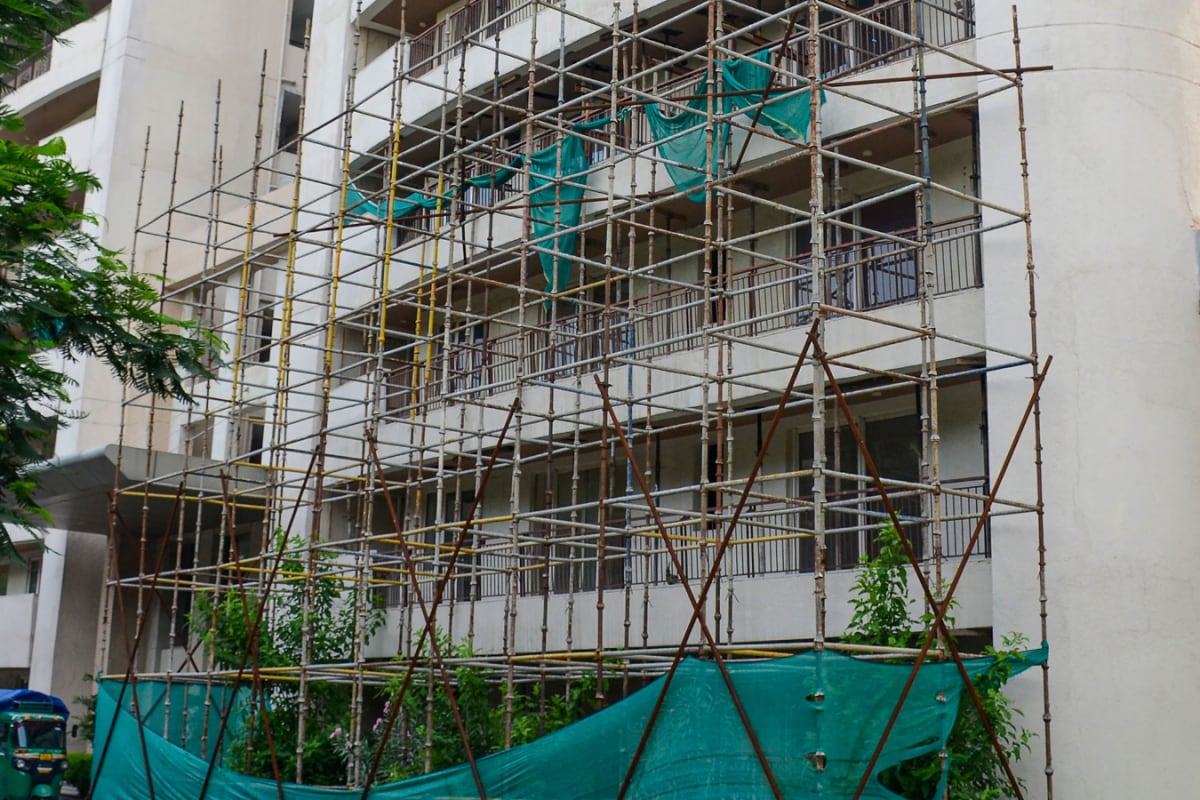
Image: News 18
In a landmark ruling, the Haryana Real Estate Regulatory Authority has ordered the developer of Chintels Paradiso in Gurugram, Haryana, to pay over ₹4 crore to a homebuyer following the 2022 collapse of a residential tower. This decision utilized Google AI to assess property value increases, marking a significant shift towards technology-assisted adjudication in real estate disputes.
- 01The Haryana Real Estate Regulatory Authority awarded over ₹4 crore in compensation to a homebuyer.
- 02The ruling was based on Google AI insights which indicated a 64.7% increase in property prices in Gurugram.
- 03The February 2022 collapse of Tower D in Chintels Paradiso led to the declaration of all nine towers as unsafe.
- 04The developer was held fully responsible for the structural failures that rendered the project uninhabitable.
- 05This case sets a precedent for using technology in legal decisions regarding real estate valuations.
Advertisement
In-Article Ad
The Haryana Real Estate Regulatory Authority (HRERA) has ordered the developer of Chintels Paradiso, located on the Dwarka-Gurgaon Expressway in Gurugram, Haryana, to compensate a homebuyer with over ₹4.09 crore following the collapse of a residential tower in February 2022. This ruling is notable for its reliance on Google’s AI-generated data, which indicated a 64.7% increase in property prices in the area, rising from approximately ₹6,500-7,000 per square foot in early 2022 to nearly ₹12,000-12,400 per square foot by early 2026. The compensation awarded is based on a recalculated rate of ₹13,000 per square foot, significantly higher than the developer's initial offer of ₹7,500 per square foot. The collapse resulted in two fatalities and investigations revealed serious structural flaws, leading to the demolition of all nine towers in the project. The HRERA emphasized that the developer was fully responsible for the project's uninhabitable conditions, as buyers were promised high construction standards. This case not only addresses compensation but also represents a shift towards integrating technology in legal adjudications, potentially influencing future real estate disputes.
Advertisement
In-Article Ad
This ruling could lead to higher compensation for homebuyers in similar situations by linking payouts to current market values, potentially benefiting those affected by real estate disputes.
Advertisement
In-Article Ad
Reader Poll
Do you think AI should be used in legal decision-making processes?
Connecting to poll...
Read the original article
Visit the source for the complete story.