
Australia's Stand Against War Crimes: A Lesson for the World
Against Trump’s new world order where war criminals walk free, Australia is proving no one is above the law | Geoffrey Robertson

Image: theguardian
Context
War crimes refer to serious violations of the laws and customs of war, including the killing of civilians and the use of prohibited weapons. The prosecution of individuals for war crimes aims to hold them accountable and uphold international law, particularly in the context of conflicts.
What The Author Says
The author argues that Australia's prosecution of Ben Roberts-Smith for war crimes is a crucial stand against a global trend where powerful figures evade justice.
Key Arguments
📗 Facts
- Ben Roberts-Smith has been charged with war crimes in Australia.
- Over 100 professors and practitioners of international law signed a declaration condemning attacks on Iran as war crimes.
- The U.S. Supreme Court ruled that Donald Trump is immune from prosecution for criminal acts committed while in office.
📕 Opinions
- The author believes that powerful leaders like Trump and Putin operate under a new world order that disregards accountability.
- The author argues that the existing laws of war are fundamentally flawed and biased towards aggressors.
Counterpoints
War crimes prosecutions can be politically motivated.
Critics argue that prosecutions may serve political agendas rather than genuine justice, potentially undermining their legitimacy.
International law lacks enforcement mechanisms.
Some may contend that without a robust enforcement system, the prosecution of war crimes remains largely symbolic and ineffective.
Public opinion can influence legal outcomes.
It can be argued that political leaders' support for accused individuals may reflect broader societal sentiments, complicating the impartiality of legal proceedings.
Bias Assessment
The author's strong stance against impunity for war crimes may overlook complexities in international law and political motivations.
Why This Matters
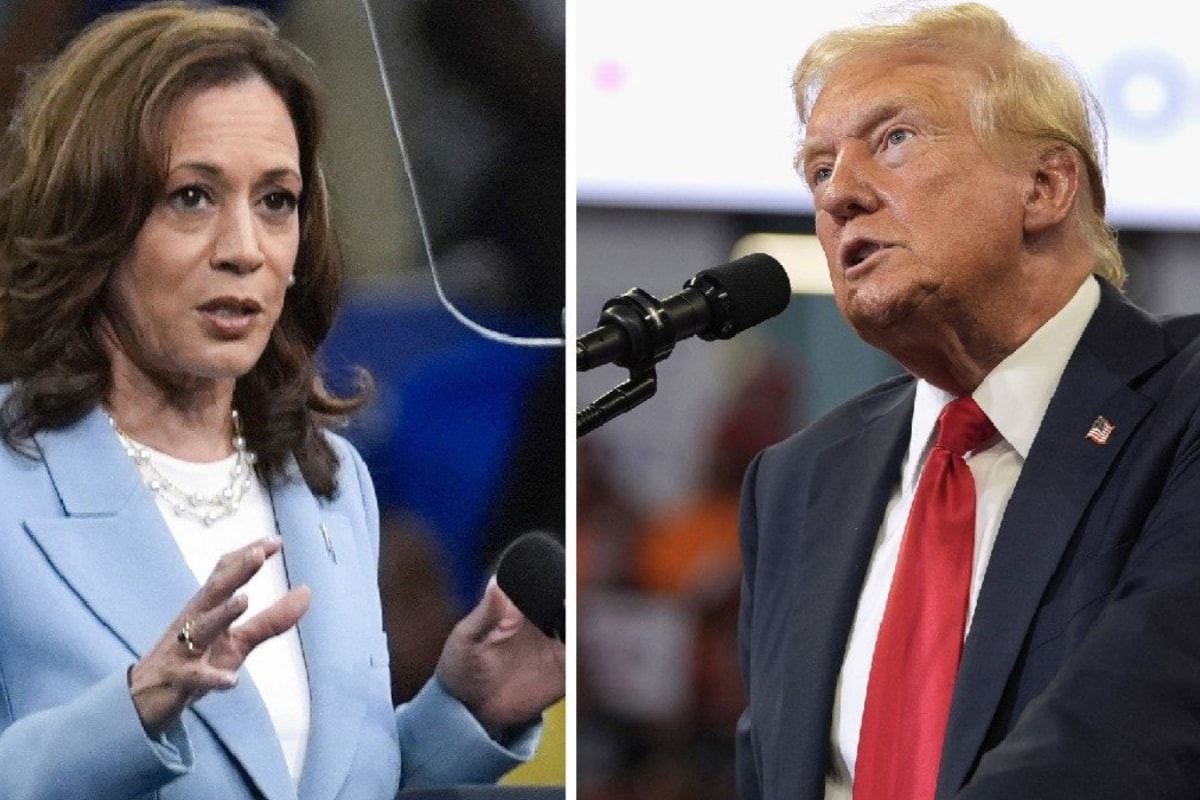
The prosecution of Ben Roberts-Smith is timely as it contrasts sharply with the global impunity enjoyed by leaders like Vladimir Putin and Donald Trump, who face accusations of war crimes. This situation raises important questions about international accountability and the enforcement of laws governing wartime conduct.
🤔 Think About
- •How can international law be reformed to ensure accountability for all leaders?
- •What role does public opinion play in the prosecution of war crimes?
- •Can the prosecution of war crimes ever be free from political influence?
- •What implications does Australia's stance on war crimes have for its international relationships?
Opens original article on theguardian
Advertisement
In-Article Ad
Reader Poll
Should world leaders be held accountable for war crimes?
Connecting to poll...