




Regulating AI: The Urgent Need for Environmental Considerations
AI laws overlook environmental damage – here’s what needs to change
 The Conversation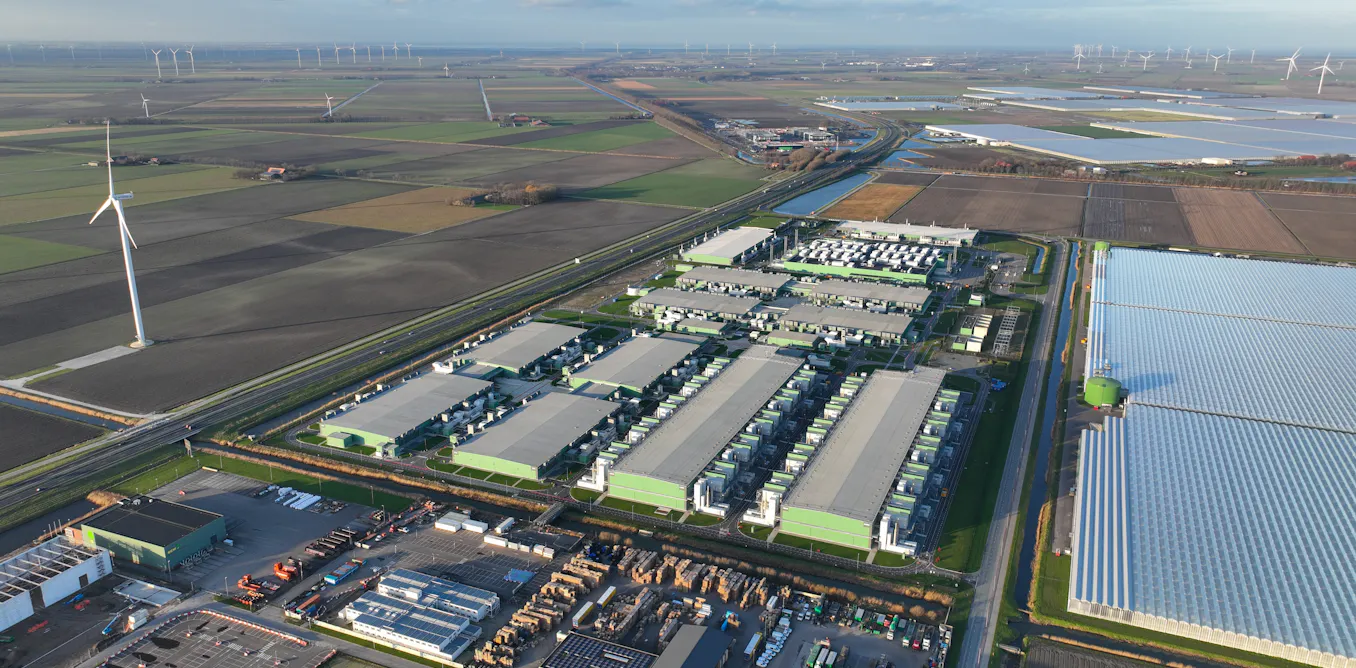
Image: The Conversation
Over 200 laws regulating artificial intelligence (AI) have emerged globally, primarily focusing on privacy and security. However, the environmental impact of AI, including greenhouse gas emissions and water usage, is largely overlooked. Effective regulations must prioritize sustainability to mitigate these consequences.
- 01AI regulations largely ignore environmental impacts despite significant energy consumption.
- 02The EU's AI Act, effective from August 1, 2024, acknowledges some environmental concerns but lacks stringent requirements.
- 03The UK currently has no specific AI legislation addressing sustainability issues.
- 04Transparency in energy and resource consumption is crucial for improving AI sustainability.
- 05Proposals for AI labeling and tax incentives could promote environmentally friendly practices in the tech industry.
Advertisement
In-Article Ad
Despite the development of over 200 laws regulating artificial intelligence (AI) across more than 100 countries, most focus on issues like privacy and security, neglecting the environmental consequences of this energy-intensive industry. AI's lifecycle—from the manufacture of complex computer chips to the disposal of hardware—contributes to significant greenhouse gas emissions and water consumption. For instance, training the GPT-3 model reportedly consumed 700,000 liters of freshwater. The EU's AI Act, set to take effect on August 1, 2024, is the first comprehensive AI law to acknowledge environmental impacts, requiring AI providers to disclose energy consumption data. However, these disclosures are only required upon request, and the Act remains anthropocentric, emphasizing human welfare over environmental sustainability. Meanwhile, the UK lacks specific AI regulations addressing these issues. Experts advocate for greater transparency regarding energy and resource use in AI development, alongside proposed labeling systems to inform consumers about the environmental impact of AI systems. By integrating sustainability into AI regulations, the tech industry can mitigate its environmental footprint while continuing to innovate.
Advertisement
In-Article Ad
The lack of environmental regulations in AI could lead to increased pollution and resource depletion, affecting communities and ecosystems globally. Consumers may also face higher environmental costs associated with AI usage.
Advertisement
In-Article Ad
Reader Poll
Should AI regulations prioritize environmental sustainability?
Connecting to poll...
More about European Commission

EU Finance Ministers Advocate for Windfall Tax on Energy Firms Amid Rising Fuel Prices
Mint • Apr 4, 2026

Biometric Checks for Cross-Channel Travel Delayed Ahead of EU Deadline
The Guardian • Apr 4, 2026

France Introduces Emergency Loan Program for Businesses Affected by Fuel Price Surge
The Economic Times • Apr 4, 2026
Read the original article
Visit the source for the complete story.