




Breakthrough in Gene Editing: CRISPR Therapy for β-Thalassaemia
Clinical trial shows gene editing works for β-Thalassaemia, too
 Ars Technica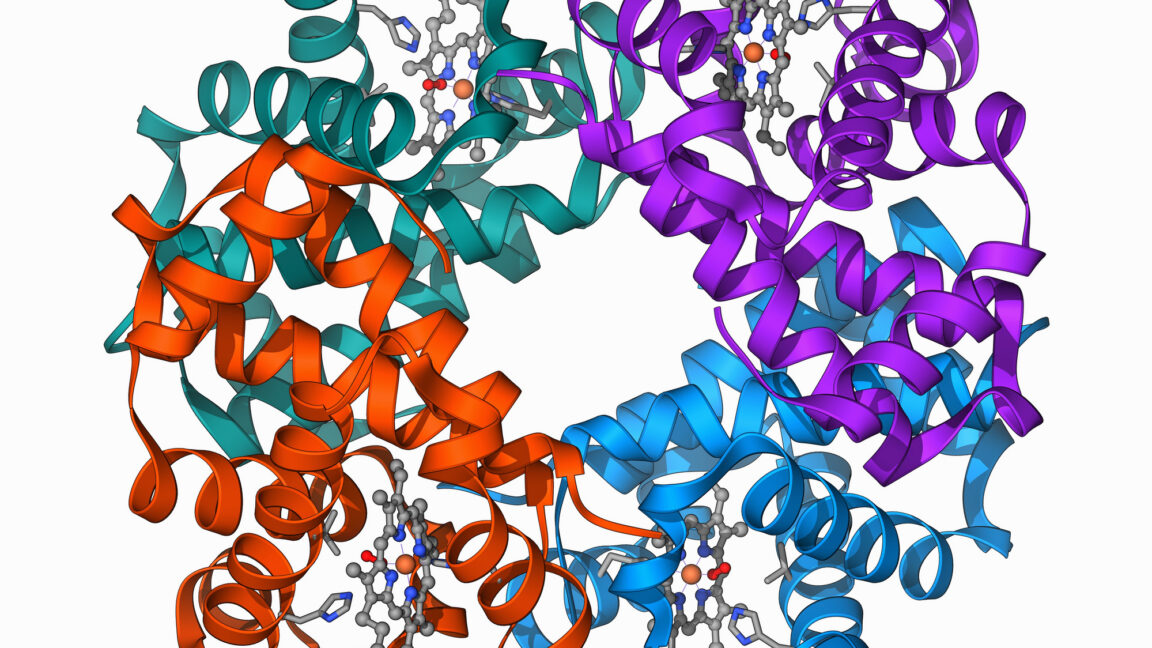
Image: Ars Technica
Researchers have developed an advanced CRISPR/Cas9 gene editing system that effectively targets β-Thalassaemia, a disease similar to sickle-cell anemia. This new therapy promises more precise edits with fewer errors, building on the success of previous CRISPR therapies approved by the FDA.
- 01A new CRISPR/Cas9 system offers improved gene editing for β-Thalassaemia.
- 02This therapy follows the FDA's approval of the first CRISPR treatment for sickle-cell anemia.
- 03The advanced system allows for more focused genetic changes with reduced mistakes.
- 04Gene editing utilizes guide RNAs and the Cas-9 protein to cut and modify DNA.
- 05The process still requires careful sequencing to ensure accurate edits.
Advertisement
In-Article Ad
Researchers have made significant advancements in gene editing using an enhanced CRISPR/Cas9 system, specifically targeting β-Thalassaemia, a blood disorder similar to sickle-cell anemia. This new approach, developed through a large collaboration in China, allows for more precise genetic modifications with fewer errors compared to earlier methods. The CRISPR/Cas9 system works by using guide RNAs to identify specific DNA sequences, which the Cas-9 protein then cuts. This process can disable unwanted genes or insert modifications into the genome. However, due to the inherent error-prone nature of gene editing, extensive DNA sequencing is necessary to confirm that only the desired changes have been made. The development of this therapy marks a significant step forward in the application of CRISPR technology for treating genetic disorders.
Advertisement
In-Article Ad
Advertisement
In-Article Ad
Reader Poll
Do you believe gene editing should be used to treat genetic disorders?
Connecting to poll...
Read the original article
Visit the source for the complete story.