
Historical Context of Military Dismissals in the US: A Look at Recent Events
Military Digest | Dismissal of US Army Chief brings into focus the precedence of high-profile military sackings in America
 The Indian Express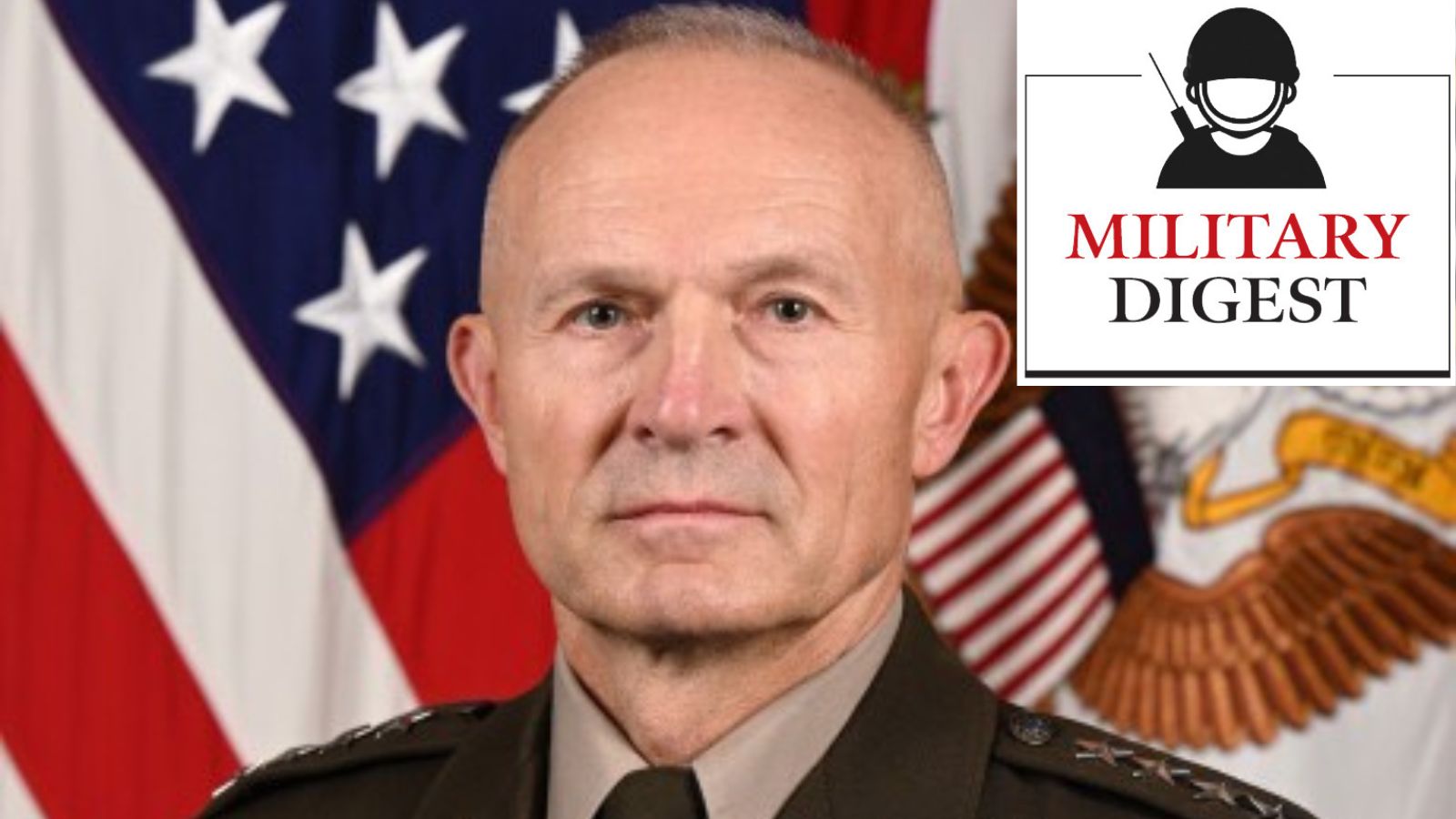
Image: The Indian Express
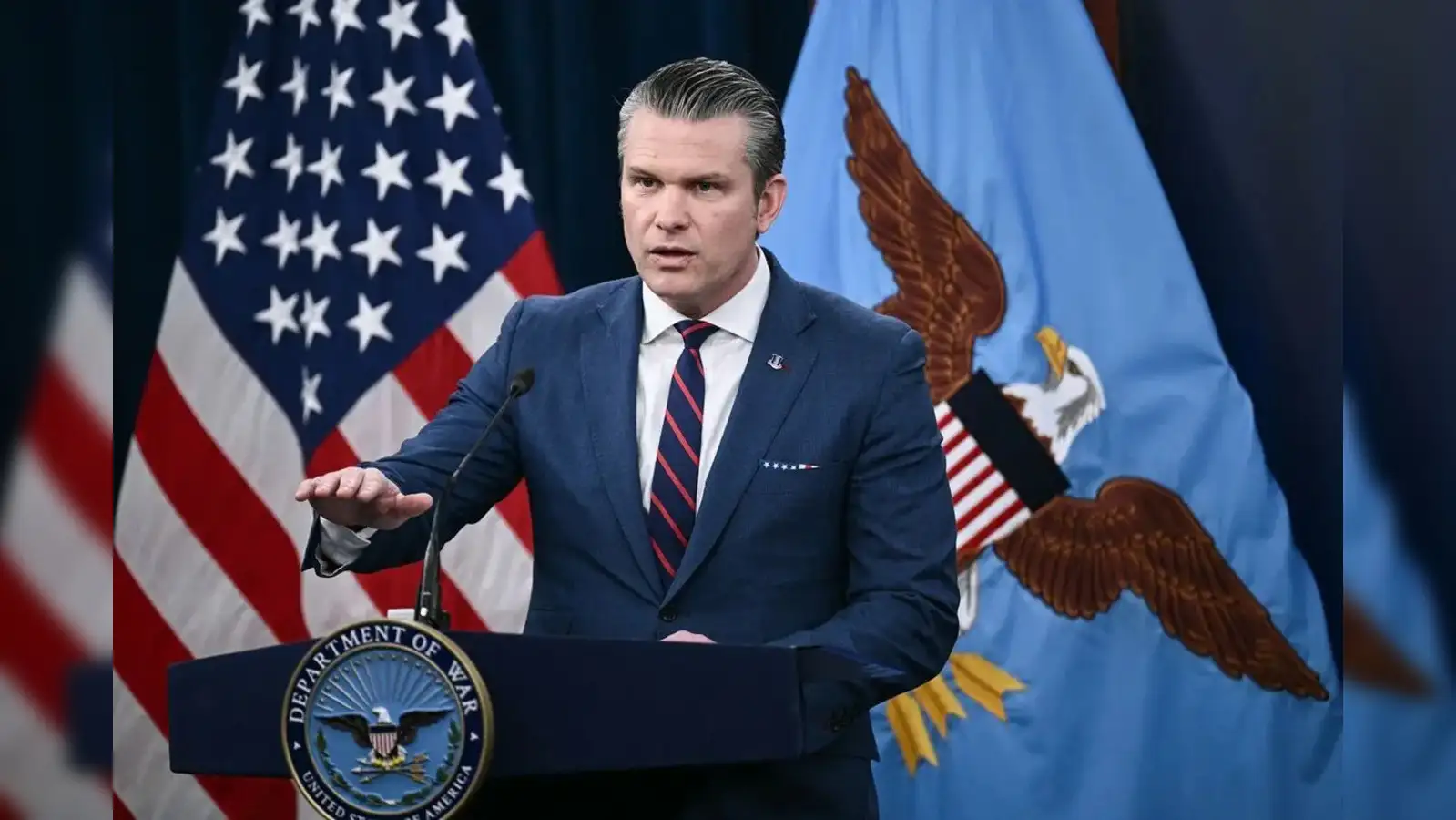
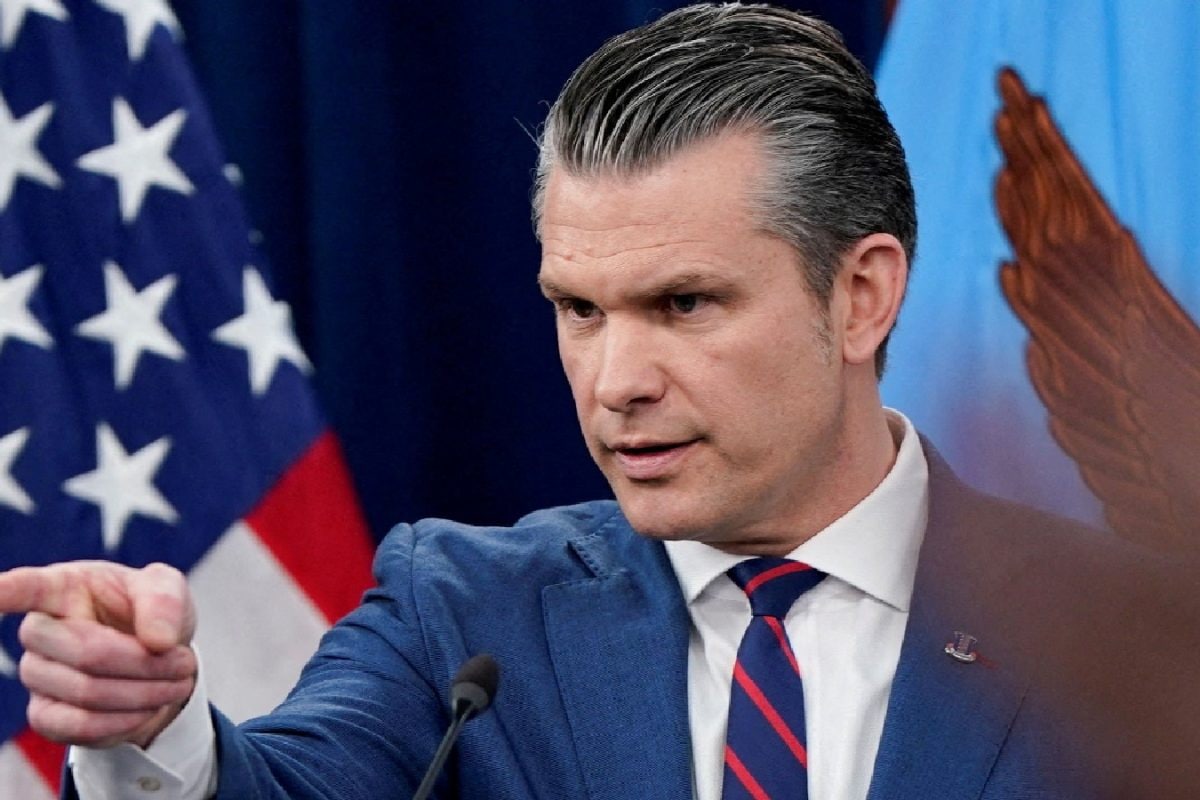
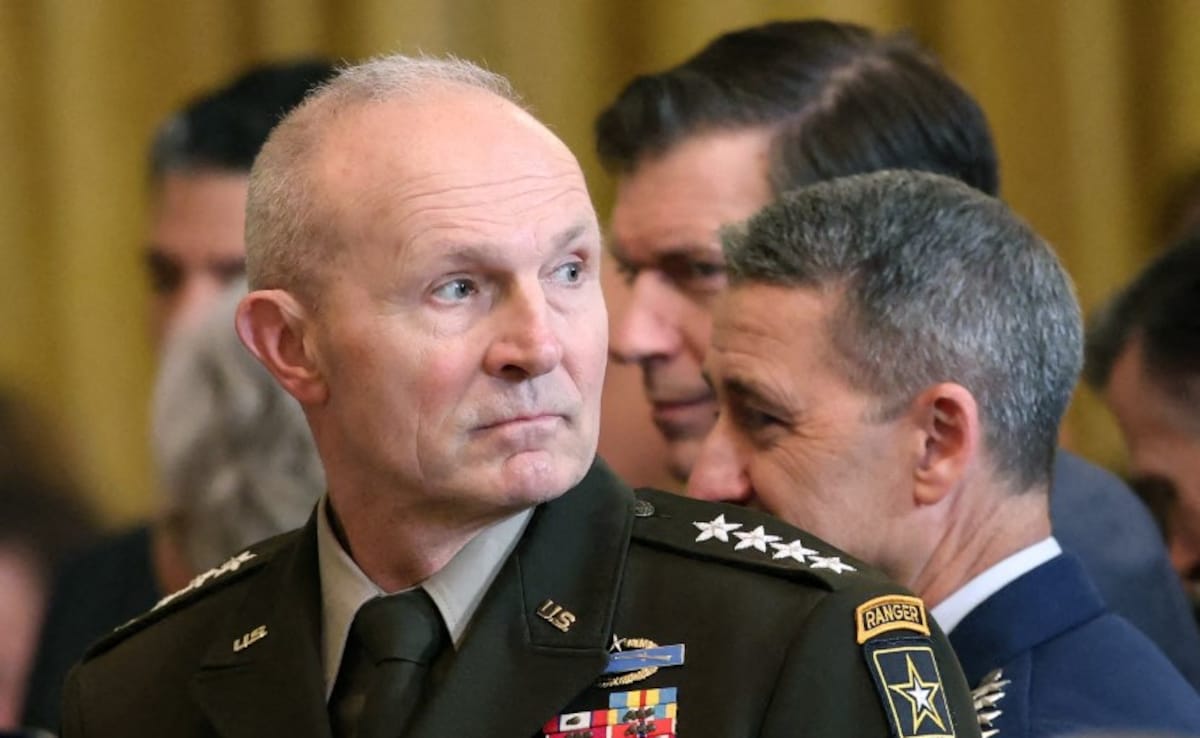
The recent dismissal of US Army Chief of Staff Gen Randy George by Secretary of War Pete Hegseth highlights a long history of high-profile military sackings in the United States. This article examines notable cases, emphasizing the authority of civilian leaders over military personnel and the implications for military conduct.
- 01Gen Randy George's dismissal underscores a pattern of military sackings under civilian leadership.
- 02Historical examples include General Douglas MacArthur and General George McClellan, both dismissed for insubordination.
- 03Civilian authority over military commanders is a fundamental principle in US governance.
- 04The threshold for tolerance of military conduct is notably low, leading to frequent dismissals.
- 05Dissent among military leaders is often met with severe consequences.
Advertisement
In-Article Ad
The recent firing of US Army Chief of Staff Gen Randy George by Secretary of War Pete Hegseth, acting on behalf of President Donald Trump, draws attention to the historical context of military dismissals in the United States. This incident is part of a broader trend, as numerous senior military officials have faced forced retirements during Trump's presidency, including the Chairman of the Joint Chiefs of Staff. Historical figures like General Douglas MacArthur, dismissed by President Harry S Truman for insubordination during the Korean War, and General George McClellan, fired by President Abraham Lincoln during the Civil War, exemplify the longstanding practice of civilian oversight in military affairs. Other notable dismissals include General Michael Dugan for inappropriate comments regarding military strategy, and Admiral William Fallon, who opposed the Bush administration's policies. The article emphasizes that in the US, civilian leaders wield significant power over military personnel, and dissent is often met with swift repercussions, reinforcing the principle of civilian supremacy in military matters.
Advertisement
In-Article Ad
The frequent dismissals of military leaders may affect military morale and the relationship between civilian and military leadership.
Advertisement
In-Article Ad
Reader Poll
Do you believe military leaders should have more autonomy from civilian oversight?
Connecting to poll...
More about US Army
Read the original article
Visit the source for the complete story.