


Legal Implications of Proposed US Blockade in Strait of Hormuz
Is the US blockade in Strait of Hormuz legal under international law?
 The Indian Express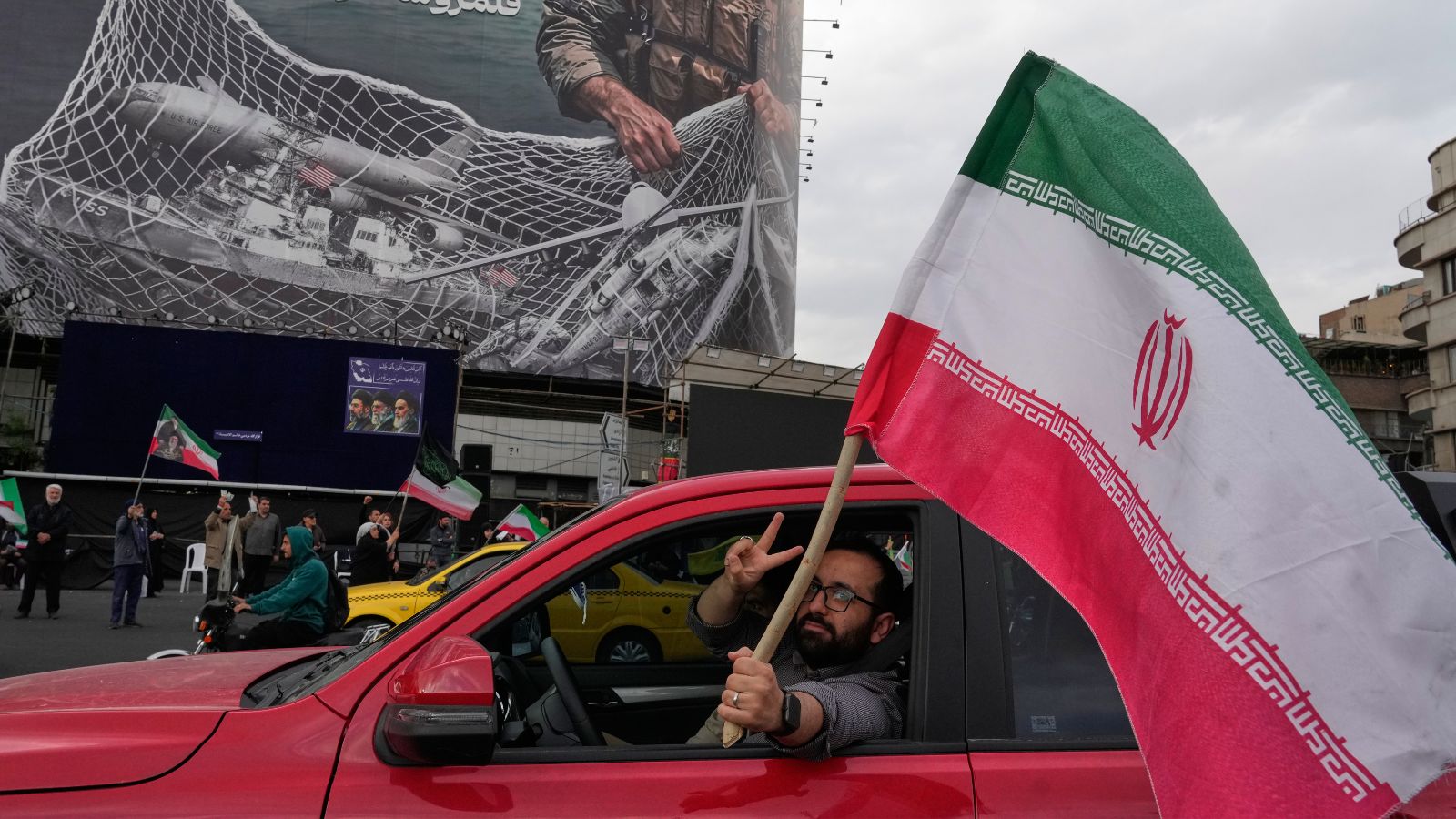
Image: The Indian Express
The proposed US blockade in the Strait of Hormuz raises significant legal and economic questions amid escalating tensions with Iran. Experts suggest that while blockades are permissible under international law during armed conflict, strict conditions must be met to ensure legality and humanitarian considerations.
- 01The US Navy may intercept ships linked to Iran amid rising tensions.
- 02Blockades are recognized under international law but must follow strict conditions.
- 03The Strait of Hormuz is crucial for global oil supplies, and a blockade could disrupt markets.
- 04Legal experts emphasize that neutral trade must be allowed through any blockade.
- 05The implementation of a blockade remains uncertain and could escalate regional tensions.
Advertisement
In-Article Ad
A proposed blockade by the United States in the Strait of Hormuz has sparked debates over its legality under international law, particularly as tensions with Iran escalate following failed negotiations in Pakistan. Former President Donald Trump indicated that the US Navy might intercept vessels associated with Iran, accusing the country of extortion for charging fees to pass through the strait. However, reports suggest that the US military may focus on blocking Iranian ports instead of the entire strait. Experts affirm that while blockades are permitted during armed conflict, they must adhere to strict legal conditions. Donald Rothwell noted that the US, Israel, and Iran are considered
Advertisement
In-Article Ad
A blockade could lead to increased oil prices and affect global markets, impacting economies reliant on oil imports.
Advertisement
In-Article Ad
Reader Poll
Do you support the US implementing a blockade in the Strait of Hormuz?
Connecting to poll...
Read the original article
Visit the source for the complete story.