

Examining the Plutocratic Shift in Indian Elections
In Focus podcast | Have elections in India become plutocratic?
 The Hindu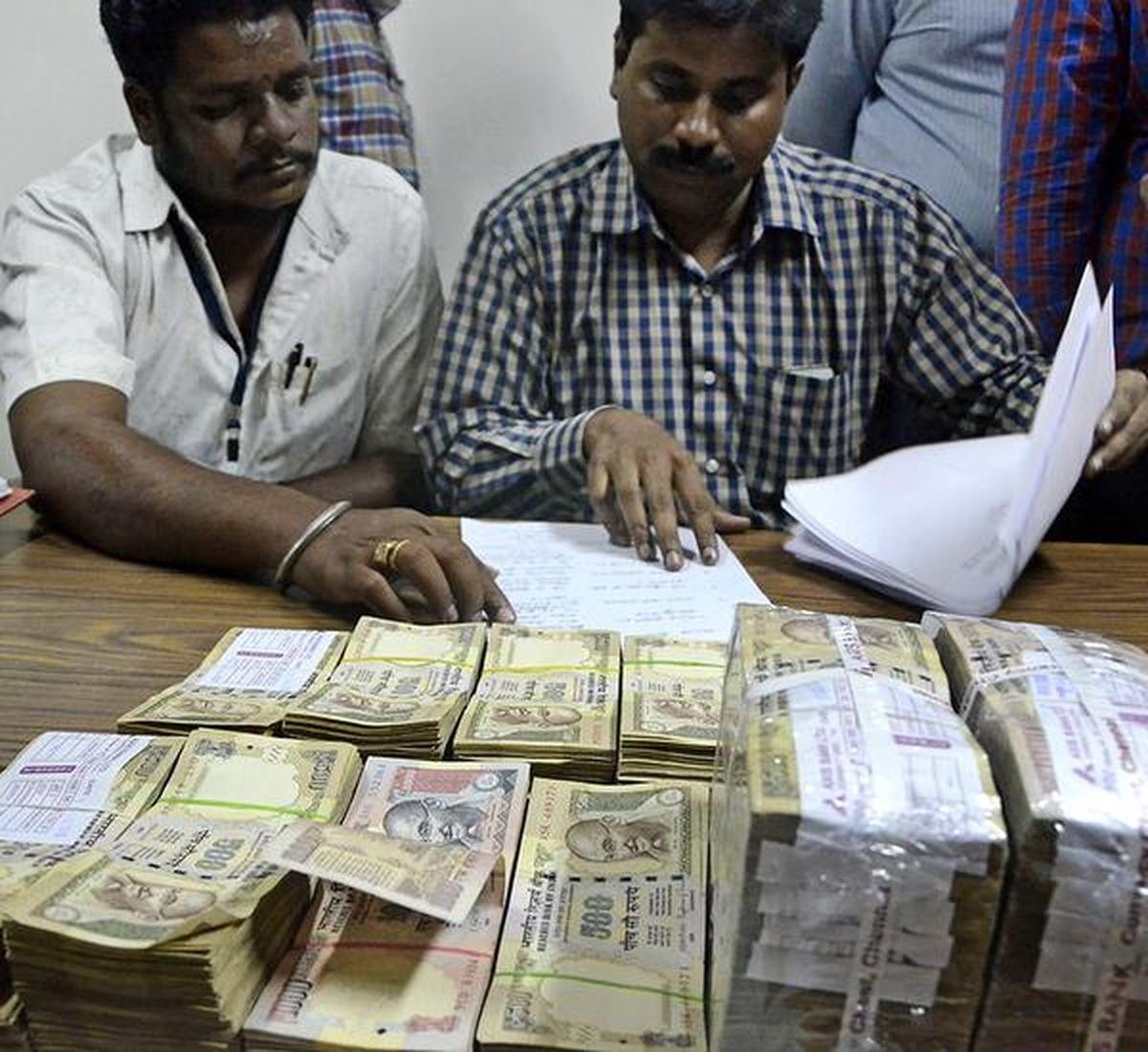
Image: The Hindu
As elections approach in Tamil Nadu, Kerala, West Bengal, Assam, and Puducherry, concerns mount over the escalating costs of political campaigns in India. With 93% of Members of Parliament being millionaires, questions arise about the fairness of the electoral process and the implications for smaller parties and independent candidates.
- 01Elections in India are becoming increasingly expensive.
- 02Nearly 93% of Members of Parliament are millionaires.
- 03The rising costs raise concerns about political inequality.
- 04Smaller parties and independent candidates face significant challenges.
- 05Discussion on potential reforms to ensure a level playing field.
Advertisement
In-Article Ad
As elections are set to take place in Tamil Nadu, Kerala, West Bengal, Assam, and Puducherry, the focus on India's democratic process highlights a troubling trend: the increasing financial burden of campaigning. Political parties are investing heavily in advertisements and outreach, leading to concerns that elections are becoming plutocratic. Data indicates that 93% of India's Members of Parliament are crorepatis (millionaires), suggesting that access to political power is becoming more unequal. This trend poses significant challenges for smaller parties and independent candidates, who may struggle to compete against well-funded opponents. The discussion raises critical questions about the fairness of the electoral system and what measures could be implemented to restore a level playing field for all candidates.
Advertisement
In-Article Ad
The increasing cost of elections may limit the diversity of political representation, as only wealthy candidates can afford to run competitive campaigns.
Advertisement
In-Article Ad
Reader Poll
Do you believe the high cost of elections in India undermines democracy?
Connecting to poll...
Read the original article
Visit the source for the complete story.