

Understanding the 2026 Delimitation Bill and Its Implications
New Delimitation Bill 2026: What it means and its key proposals
 The Economic Times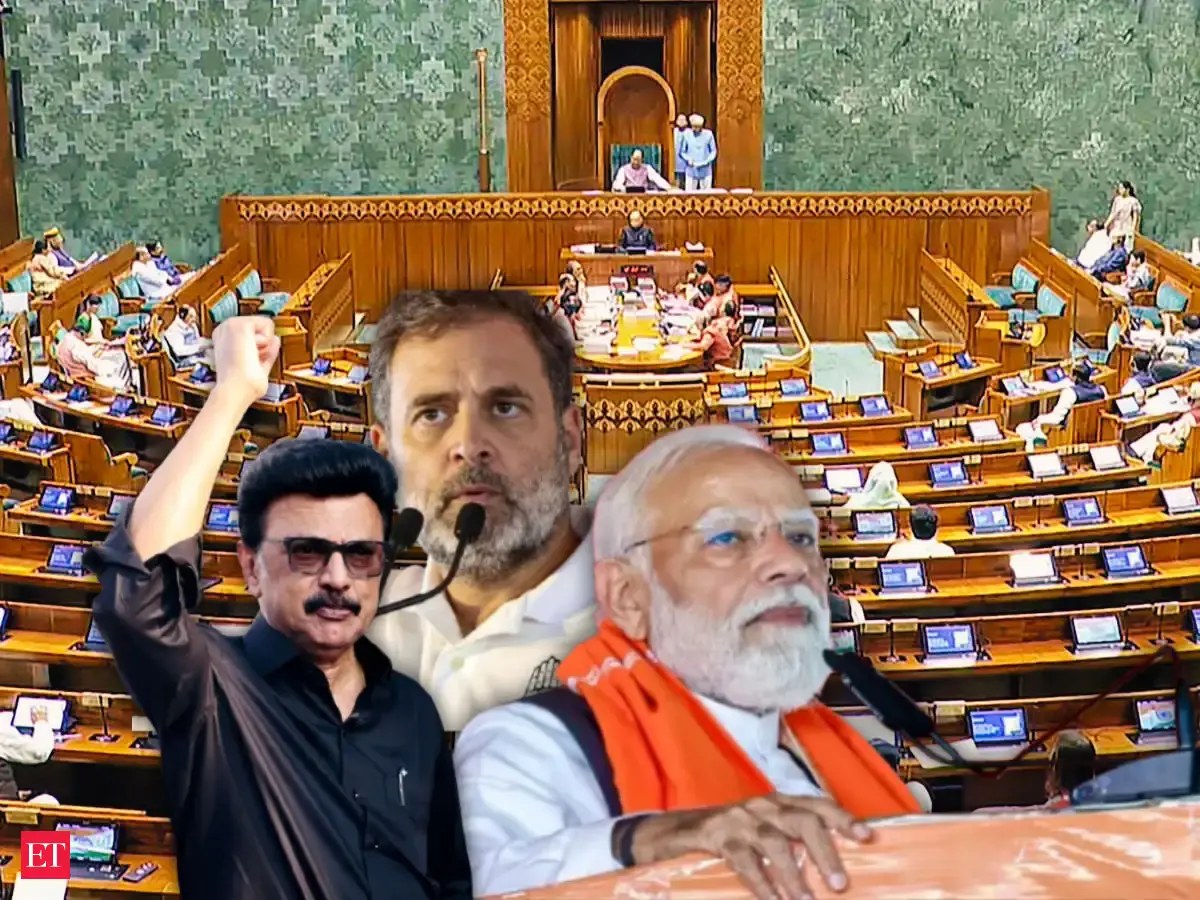
Image: The Economic Times
The Indian government has introduced the Delimitation Bill, which proposes to redraw parliamentary and assembly constituencies based on demographic changes. This has sparked opposition, particularly from southern states, as it may reduce their political representation in Parliament despite population growth. The bill aims to increase the number of Lok Sabha seats from 543 to 753 by 2026.
- 01The Delimitation Bill proposes no increase in Lok Sabha seats for states with a single constituency.
- 02Southern states fear a reduction in their political influence in Parliament.
- 03The bill could increase the number of Lok Sabha seats from 543 to 753 by 2026.
- 04States with slower population growth may see a decline in their representation.
- 05The process will also affect reservations for Scheduled Castes and Scheduled Tribes.
Advertisement
In-Article Ad
The Indian government has tabled the Delimitation Bill in Parliament, aiming to revise parliamentary and assembly constituencies based on demographic shifts. The proposal stipulates that states and union territories (UTs) with a single Lok Sabha constituency will not see an increase in parliamentary seats, which has raised concerns among opposition parties, particularly in southern states like Tamil Nadu. Politicians, including Chief Minister M. K. Stalin, argue that this could diminish the South's political clout, as their representation in the Lok Sabha is projected to drop from 23.7% to 19% despite population growth. The bill anticipates increasing the total number of Lok Sabha seats from 543 to 753 by the next delimitation exercise in 2026, with northern states likely to gain a significant number of additional seats. The bill also intersects with the Women's Reservation Act, which mandates 33% reservation for women in legislative bodies, complicating the representation of Scheduled Castes and Scheduled Tribes. The ongoing discussions and projections indicate a substantial shift in political representation across India, raising questions about fairness and equity in the electoral process.
Advertisement
In-Article Ad
The Delimitation Bill could significantly alter political representation, especially for southern states, impacting their influence in legislative decisions. This may lead to a re-evaluation of resource allocation and representation based on economic contributions.
Advertisement
In-Article Ad
Reader Poll
Do you support the proposed changes in the Delimitation Bill?
Connecting to poll...
Read the original article
Visit the source for the complete story.