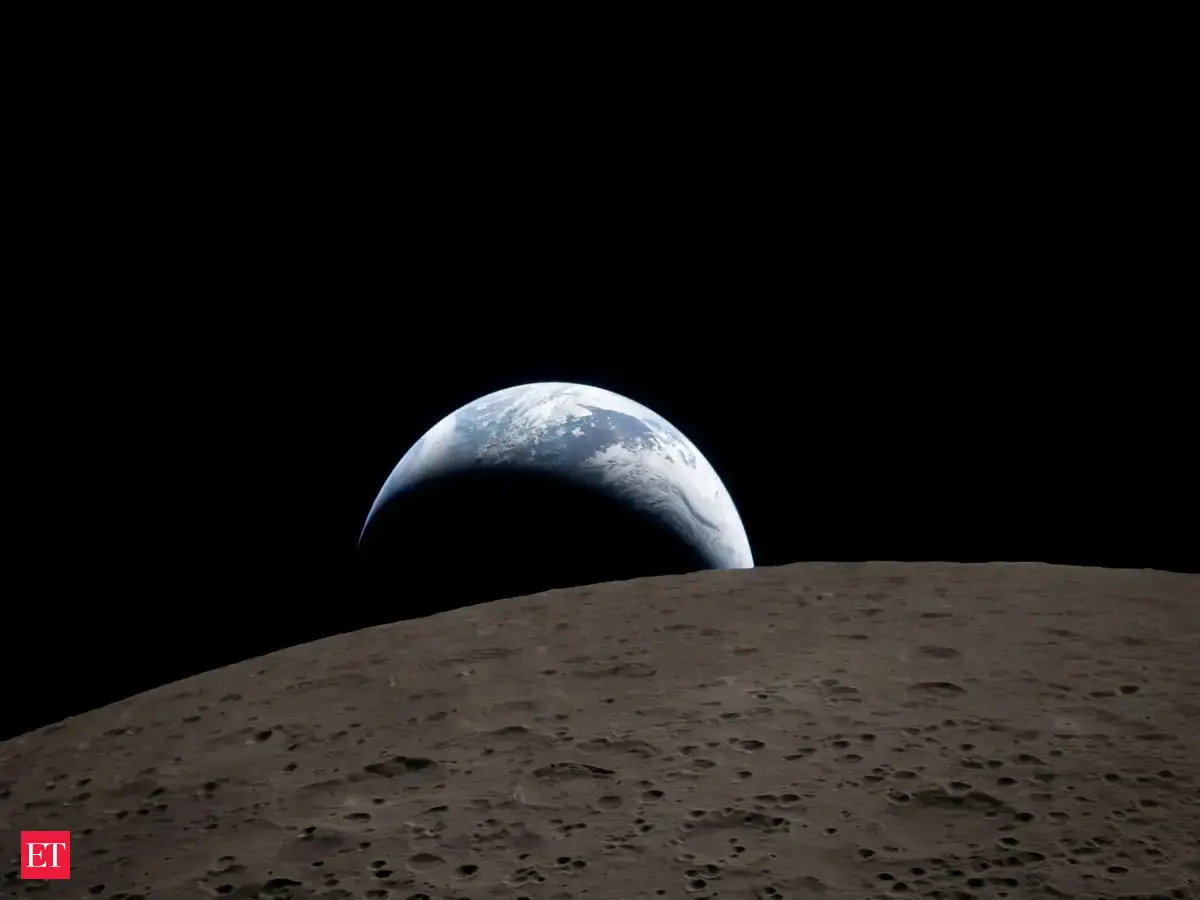




New Research Reveals Ancient Moon Craters May Hold Key to Water Ice for Future Missions
Moon’s oldest craters hiding 3-billion-year-old secret that could fuel future expeditions
 The Indian Express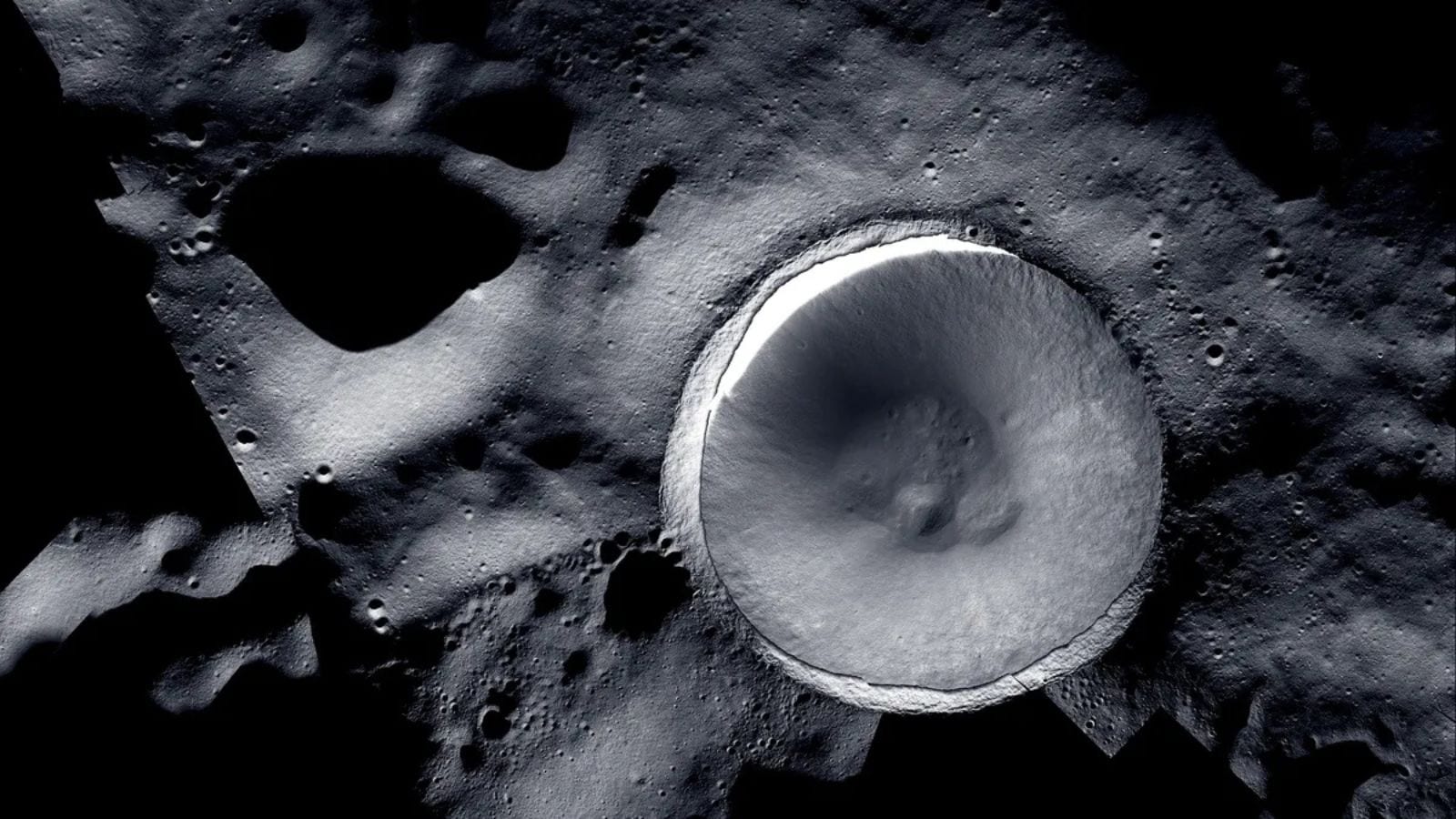
Image: The Indian Express
Recent research indicates that the Moon's oldest craters, particularly those near the south pole, may contain significant amounts of water ice. This discovery could be crucial for future human missions, as water and ice can be utilized for drinking and oxygen, facilitating longer stays on the Moon.
- 01Oldest craters near the Moon's south pole are likely to contain significant water ice.
- 02The distribution of ice is uneven, with some craters showing stronger signals than others.
- 03The Moon's tilt has changed over billions of years, affecting ice preservation.
- 04Water on the Moon may have accumulated over billions of years through various processes.
- 05Future lunar missions, such as Artemis II, could benefit from this ice for astronaut survival.
Advertisement
In-Article Ad
New research published in *Nature* suggests that the Moon's oldest craters, particularly those near the south pole, may be the most promising locations for finding water ice. These craters have remained in shadow for over three billion years, making them ideal for preserving ice. Past missions, including the Apollo missions, initially found dry samples, but later missions revealed signs of water ice, albeit unevenly distributed across different craters. Lead researcher Paul Hayne noted that the ice's patchy distribution remains a mystery, but the Moon's shifting tilt over billions of years could explain why some craters have retained ice while others have not. The findings indicate that water accumulation on the Moon may have occurred gradually through processes such as small comet collisions and volcanic activity, rather than from a single event. This discovery is particularly relevant as new lunar expeditions, like Artemis II, aim to explore the Moon further. Water ice could serve vital purposes for astronauts, providing drinking water and oxygen for breathing. Instruments like the Lunar Compact Infrared Imaging System (L-CIRiS), set to launch in 2027, will help in this endeavor, emphasizing the potential of the Moon's ancient craters in supporting future human exploration.
Advertisement
In-Article Ad
The discovery of water ice in the Moon's craters could significantly enhance the feasibility of long-term human presence on the Moon, impacting future space exploration missions.
Advertisement
In-Article Ad
Reader Poll
Do you support increased funding for lunar exploration missions?
Connecting to poll...
Read the original article
Visit the source for the complete story.