


The Rise of Prolonged Conflicts: Lessons from Iran and Ukraine
Iran & Ukraine usher in the era of the underdogs in a war-torn world
 The Economic Times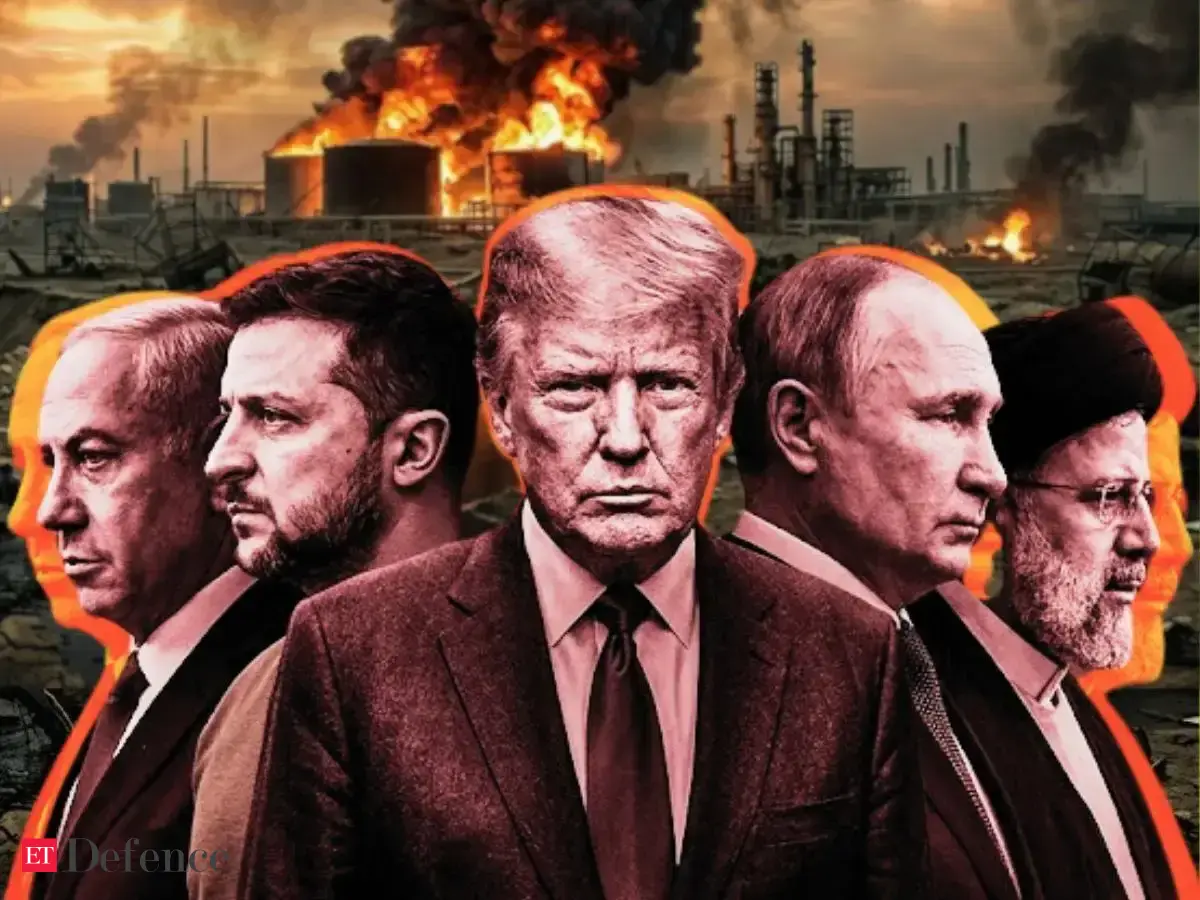
Image: The Economic Times
Global conflicts are intensifying, with over 240,000 war-related deaths reported in 2025. The ongoing wars in Iran and Ukraine exemplify a trend where weaker forces are sustaining prolonged resistance against stronger opponents, challenging the assumption of quick military victories. This shift is reshaping modern warfare dynamics.
- 01Over 240,000 deaths from global conflicts in 2025 highlight the severity of ongoing wars.
- 02Weaker forces in conflicts like those in Iran and Ukraine are demonstrating unexpected resilience.
- 03Military experts are recognizing that prolonged wars are becoming the norm, contradicting previous assumptions of short conflicts.
- 04The use of asymmetric tactics, such as drones and cyber capabilities, is allowing weaker actors to sustain resistance.
- 05Historical precedents, like the Vietnam War, illustrate that stronger militaries can fail to achieve quick victories.
Advertisement
In-Article Ad
Global conflict data indicates that more than 240,000 people were killed in wars in 2025, with ongoing conflicts in Iran, Ukraine, and the Gaza Strip. These wars are characterized by unexpected resilience from weaker forces against stronger military powers. For instance, the war in Iran, which began on February 28, saw the United States and Israel launch extensive airstrikes aimed at crippling Iran's military capabilities. Contrary to expectations of a swift victory, Iran retaliated robustly, prolonging the conflict and expanding it across the Middle East. Similarly, the Ukraine war has been ongoing since 2022, with Russia's initial military superiority failing to secure a quick resolution, resulting in significant civilian casualties and infrastructure damage. Military leaders now acknowledge that modern conflicts are complex, involving multiple actors and prolonged engagements. The reliance on asymmetric tactics, such as drones and cyber warfare, is enabling weaker forces to sustain their operations despite facing stronger opponents. This trend reflects a broader shift in warfare, where endurance and adaptability are becoming crucial for success, as evidenced by historical conflicts like the Vietnam War. The implications of these prolonged wars extend beyond the battlefield, affecting regional stability, trade, and economic activities.
Advertisement
In-Article Ad
The ongoing conflicts are causing significant civilian casualties and displacing populations, leading to humanitarian crises and economic disruptions in affected regions.
Advertisement
In-Article Ad
Reader Poll
What should be the international response to prolonged conflicts like those in Iran and Ukraine?
Connecting to poll...
Read the original article
Visit the source for the complete story.